
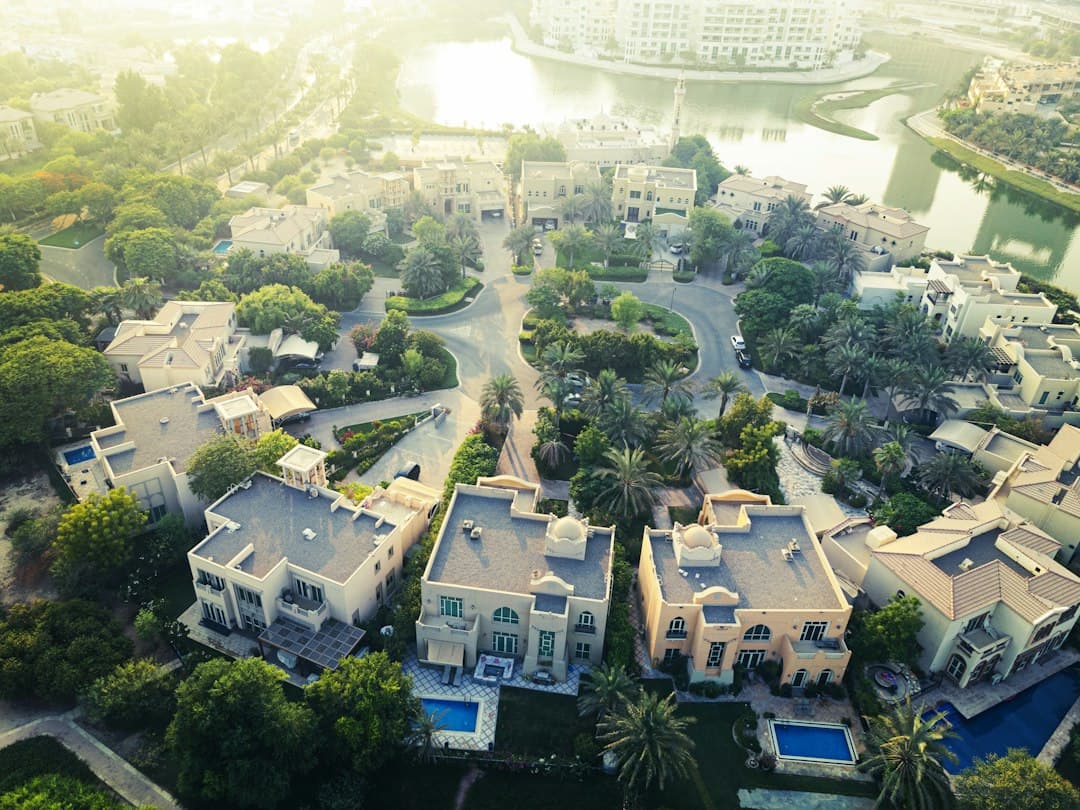
Neither Maple nor Parkland wins on every measure, and the better townhouse community depends on what you need from your home or investment. Maple's positioning centres on bright spaces and a quiet, purpose-driven layout, while Parkland is marketed around green, rooted living. For most buyers the decision comes down to three things: the usable space and layout of the unit, the annual cost of running it through service charges, and how easily it can be resold or rented. Compare specific units on those points, then confirm the figures against current listings and official channels before committing.
Two Communities, Two Different Promises
Maple and Parkland both sit within Dubai Hills Estate, so they share the wider estate's parks, road access and amenities. The difference lies in how each community presents itself and how individual homes are arranged. Understanding that positioning helps you judge whether a community's character suits your daily routine.
Maple: Bright Spaces and Quiet Purpose
Maple is presented around bright interiors and a calm, practical way of living. Buyers drawn to this style usually value natural light, a settled atmosphere and rooms that work well for everyday life. You can review available homes on the Maple listings page to see how these qualities appear in specific units.
Parkland: Green Living Rooted in the Estate
Parkland leans into greenery and a sense of being rooted in the surrounding landscape. For buyers who want to step outside onto leafy surroundings, that focus can matter as much as the floor plan. Check the Parkland listings page for current units and compare the outdoor and view details against your priorities.
Layout and Usable Space
Townhouse buyers often focus on headline bedroom counts, but the real test is how the space feels to live in. Two homes with the same number of bedrooms can differ sharply in circulation, ceiling height and how much of the floor area is genuinely usable. Walk through floor plans carefully rather than relying on a single figure.
When comparing a Maple unit with a Parkland unit, check the following:
- Internal floor area versus the stated total, since balconies, terraces and shared areas are not always counted the same way.
- Garden or outdoor space, including whether it is private and how much sun it receives.
- Natural light and orientation, which strongly affect how bright a townhouse feels in the afternoon.
- Parking and access, especially if you plan to host visitors or own more than one vehicle.
- Storage and layout flexibility, such as whether a ground-floor room can serve as a study or guest room.
Because layouts vary between units and listings can change, treat any generalisation about either community as a starting point. The best test is always a side-by-side comparison of two specific homes.
Running Costs: Compare Service Charges Per Square Foot
Purchase price is only part of the picture. Annual service charges can add up quickly, and in Dubai they are usually calculated by multiplying a building's rate per square foot by the unit's size. That means a larger townhouse does not simply cost more to own in proportion to its price; the rate itself matters.
For a fair comparison, convert each option into an annual figure in AED using the same method. Our guide to how Dubai Hills Estate service charges compare by building explains why per-square-foot rates are the most